
Interventions
At Woolgrove we offer a range of interventions to support children’s individual needs.
Delivered through personalised one-to-one or small group provision, our interventions ensure that pupils receive timely support to maximise their engagement, independence and progress. Focus areas of interventions include communication, literacy skills, social interactions, physical development and emotional wellbeing.
Lego Therapy
Lego Therapy intervention aims to develop pupils’ communication skills by increasing descriptive vocabulary, improving fine-motor control, and strengthening their ability to listen, follow instructions, and work collaboratively in a small group. It also supports pupils in building shared models together, helping them practise teamwork, turn-taking, and effective interaction.
The Lego Therapy group meets weekly with three children and an adult, with each child taking on a specific role—Engineer, Supplier, or Builder—to work together in constructing a model, practising listening, cooperation, problem-solving, and turn-taking as the adult supports when needed.
Through this structured teamwork, pupils enjoy the shared success of completing a model and later creating their own. Ongoing assessment captures the skills each child can demonstrate with support, with initial guidance, independently, and whether these skills transfer into classroom or playground settings.
NELI (Nuffield Early Language Intervention)
The NELI intervention provides personalised strategies that improve listening, attention, phonics, fine-motor skills, concentration, independence, and access to all areas of learning. It aims to reduce anxiety, frustration, and other emotional barriers while boosting confidence, self-esteem, and motivation so pupils feel secure enough to take risks in their learning. It also creates opportunities to identify specific needs, support pupils in achieving their targets, and help them feel valued and fully able to participate in school life.
A flexible, multi-sensory approach is used to support their learning, with adults modelling tasks, giving time to process and over-learn, helping pupils reach their targets, and encouraging them to take responsibility for their own learning.
Rebound
The Rebound intervention aims to build pupils’ self-confidence while reducing anxiety by offering positive, enjoyable experiences in a safe and supportive environment. It focuses on strengthening core posture and limb control to improve physical stability and overall body awareness. Through this structured approach, pupils are encouraged to feel secure, capable, and ready to engage more confidently in their learning.
Rebound therapy begins with pre-teaching skills, allowing the child to explore and walk around the trampoline to build familiarity before being encouraged to get on while the adult demonstrates gentle movements. As confidence grows, sessions move through pre-formal and semi-formal stages, where children follow targets from their referral form, use visual supports, practise gentle bouncing, develop spatial awareness, balance, core strength, and listening skills. In the formal stage, pupils work on building self-confidence, reducing anxiety, following structured instructions linked to the Winstrada grading programme, and increasing their attention span.
Pastoral Support Workers (PSWs)
Our pastoral support workers provide structured interventions that help children manage a range of emotions and situations, including understanding protective behaviours, processing experiences of bereavement or trauma and approaches in managing anxiety. They help pupils feel secure, build resilience, and develop healthy coping skills. Their work focuses on strengthening a child’s sense of safety and connection so they can re-engage with learning and daily school life with greater confidence.
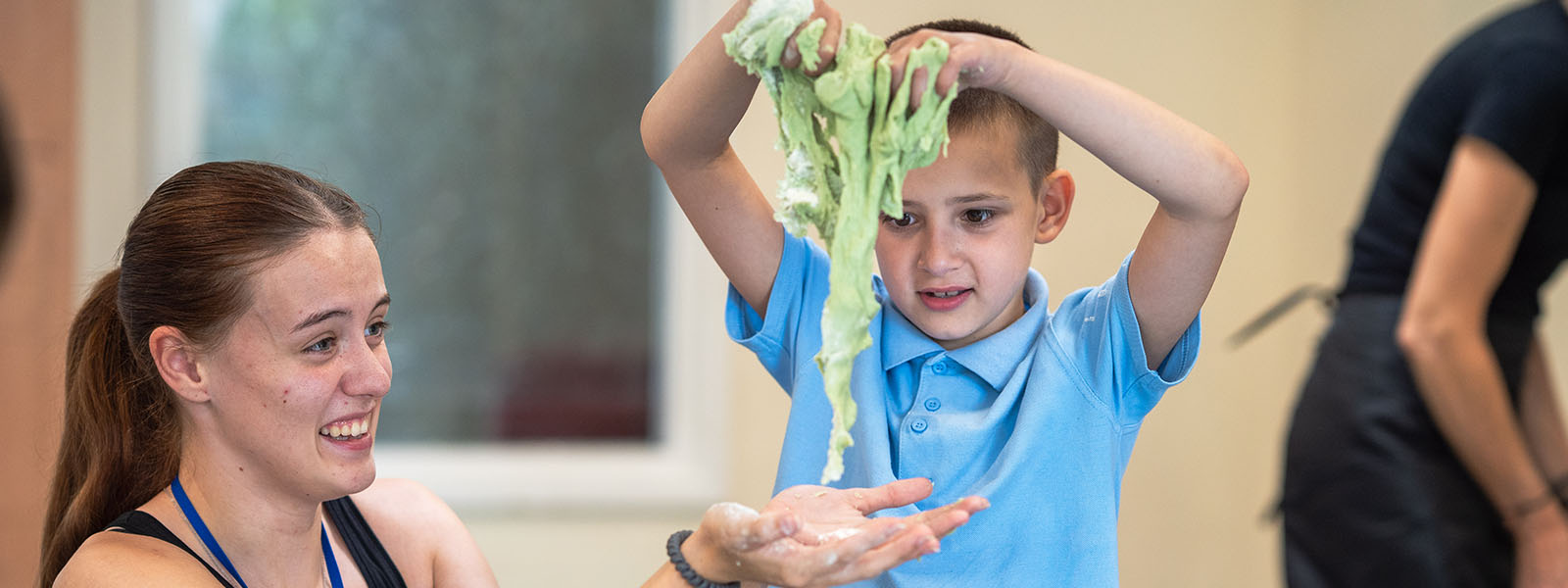
They also lead our Ooey Gooey intervention which aims to help children develop a healthier and more positive relationship with food by gradually increasing their tolerance to a wider range of textures and creating enjoyable, low-pressure experiences around trying new foods.